

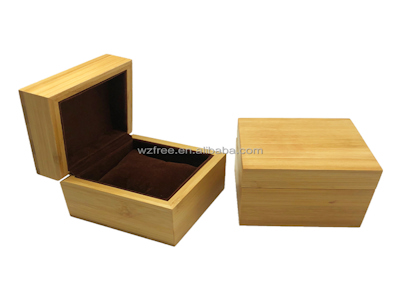
В 2024 году мир продолжает сталкиваться с вызовами изменения климата, экономической нестабильностью и растущим потребительским спросом на персонализированные и экологически устойчивые продукты. Среди множества трендов, индивидуальные деревянные ящики выделяются как символ современного подхода к упаковке и логистике. Их популярность не случайна: она отражает глубокие сдвиги в общественном сознании, технологические инновации и экономические реалии. В этой статье мы подробно исследуем причины, почему индивидуальные деревянные ящики стали таким востребованным элементом в 2024 году, охватывая экологические аспекты, кастомизацию, устойчивое развитие, бизнес-преимущества и будущие перспективы.
Экологический тренд и осознанное потребление
Одной из ключевых причин популярности индивидуальных деревянных ящиков является растущая осведомленность об экологических проблемах. В 2024 году потребители и предприятия все чаще отдают предпочтение sustainable-решениям, которые минимизируют вред для окружающей среды. Дерево, как возобновляемый ресурс, идеально вписывается в эту парадигму. В отличие от пластиковой упаковки, которая способствует загрязнению океанов и увеличению углеродного следа, деревянные ящики биоразлагаемы и могут быть переработаны или использованы повторно. Исследования показывают, что к 2024 году более 70% потребителей в развитых странах готовы платить больше за продукты в экологичной упаковке. Это создает мощный стимул для брендов инвестировать в деревянные решения, такие как индивидуальные ящики, чтобы удовлетворить этот спрос и улучшить свой имидж.
Кроме того, деревянные ящики часто производятся из сертифицированной древесины, что гарантирует ответственное лесопользование. Организации, такие как FSC (Forest Stewardship Council), предоставляют сертификаты, которые подтверждают, что древесина добыта без вреда для лесов. Это добавляет доверия со стороны потребителей, которые в 2024 году стали более критичными к greenwashing-у и требуют прозрачности в цепочках поставок. Таким образом, индивидуальный деревянный ящик не только функционален, но и служит инструментом для демонстрации экологической ответственности компаний.
Кастомизация и персонализация в современном бизнесе
В эпоху цифровизации и высокой конкуренции, кастомизация стала ключевым фактором успеха для многих бизнесов. Индивидуальные деревянные ящики предлагают уникальную возможность для брендов выделиться на рынке. В 2024 году компании используют эти ящики не только для упаковки товаров, но и как часть маркетинговой стратегии. Например, ящики могут быть персонализированы с логотипами, гравировками или специальными дизайнами, что создает эмоциональную связь с клиентом. Это особенно актуально для luxury-сегмента, где упаковка играет роль в восприятии ценности продукта.
Технологии, такие как лазерная резка и CNC-обработка, позволяют создавать сложные и точные designs на дереве, что было менее доступно в прошлые годы. Это делает индивидуальные ящики доступными даже для малого бизнеса, который стремится предложить premium-опыт своим клиентам. Статистика указывает, что в 2024 году рынок кастомизированной упаковки вырос на 15% по сравнению с предыдущим годом, и деревянные ящики занимают значительную долю в этом росте.
Устойчивое развитие и корпоративная социальная ответственность
Устойчивое развитие (sustainability) стало не просто модным термином, а необходимостью для бизнесов в 2024 году. Индивидуальные деревянные ящики align с целями устойчивого развития ООН, такими как ответственное потребление и производство. Компании, внедряющие такие решения, часто видят улучшение в своих ESG-рейтингах (Environmental, Social, and Governance), что привлекает инвесторов и партнеров. Например, крупные ритейлеры, такие как IKEA или Amazon, активно переходят на деревянную упаковку для снижения своего environmental impact.
Кроме того, деревянные ящики способствуют circular economy. Они могут быть легко repaired, reused или recycled, что уменьшает количество отходов. В 2024 году governments во многих странах вводят stricter regulations на одноразовый пластик, что подталкивает businesses к adoption более sustainable alternatives. Individual wooden crates, being durable and versatile, are an ideal choice for this transition.
Экономические факторы и cost-effectiveness
Несмотря на perception, что деревянные ящики могут быть дороже, в долгосрочной перспективе они often prove to be cost-effective. В 2024 году, с fluctuations в ценах на сырье, such как пластик и metal, дерево remains relatively stable due to sustainable sourcing. Additionally, wooden crates have a longer lifespan compared to cardboard or plastic packaging, reducing replacement costs. For businesses involved in logistics, such as shipping or storage, the durability of wooden crates means fewer damages during transit, leading to lower insurance claims and customer complaints.
Moreover, the ability to customize wooden crates allows for optimization in space utilization, which can reduce shipping costs. For instance, nested or collapsible designs enable efficient storage when not in use. In 2024, with rising fuel prices and supply chain disruptions, these efficiencies become crucial for maintaining profitability. Market analysis shows that companies adopting wooden crate solutions have reported up to 20% savings in packaging-related expenses over time.
Технологические инновации и производственные процессы
Advancements in technology have significantly contributed to the popularity of individual wooden crates in 2024. Modern manufacturing techniques, such as automated CNC machining and 3D modeling, allow for precise and rapid production of customized crates. This reduces lead times and costs, making it feasible for businesses of all sizes to order bespoke wooden packaging. Software tools enable virtual prototyping, so companies can visualize and adjust designs before production, minimizing errors and waste.
Furthermore, innovations in wood treatment and finishing have enhanced the functionality of wooden crates. For example, treatments for moisture resistance or pest prevention make them suitable for international shipping without compromising on sustainability. In 2024, the integration of IoT (Internet of Things) sensors in wooden crates is emerging, allowing for real-time tracking of conditions like temperature and humidity during transit. This added value appeals to industries such as pharmaceuticals or food, where product integrity is critical.
Культурные и социальные аспекты
Beyond practical reasons, the popularity of individual wooden crates in 2024 is also driven by cultural shifts. There is a growing appreciation for artisanry and handmade products, which wooden crates often embody. In a world dominated by mass production, something custom-made from wood feels authentic and high-quality. This resonates with consumers who seek uniqueness and story behind their purchases.
Social media and influencer culture have amplified this trend. Unboxing videos featuring beautifully crafted wooden crates often go viral, creating free marketing for brands. In 2024, platforms like Instagram and TikTok are filled with content highlighting sustainable and personalized packaging, further fueling demand. This cultural momentum makes wooden crates not just a functional item but a status symbol and a talking point.
Примеры успешного применения
To illustrate the popularity, consider real-world examples from 2024. Companies like Apple have started using custom wooden crates for shipping high-end products, emphasizing their commitment to sustainability. In the wine industry, vineyards use personalized wooden crates for premium shipments, enhancing the customer experience. Even e-commerce giants are adopting wooden crates for fragile items, reducing breakage rates and improving customer satisfaction.
Another example is in the gift and subscription box market, where wooden crates are used to create memorable unboxing experiences. Brands like FabFitFun or luxury goods companies report higher engagement and loyalty when using wooden packaging. These cases show how individual wooden crates are versatile across various sectors, from retail to logistics.
Будущие перспективы и заключение
Looking ahead, the popularity of individual wooden crates is expected to continue growing beyond 2024. As environmental concerns intensify and technology advances, we may see even more innovative uses, such as smart crates with embedded electronics or designs that are fully compostable. The push towards a circular economy will likely drive further adoption, with governments offering incentives for sustainable packaging solutions.
In conclusion, the rise of individual wooden crates in 2024 is a multifaceted phenomenon rooted in environmental awareness, customization needs, economic practicality, technological progress, and cultural trends. They represent a harmonious blend of tradition and innovation, offering a solution that benefits businesses, consumers, and the planet. As we move forward, embracing such sustainable choices will be crucial for a better future.
This article has explored the key reasons behind this trend, highlighting that individual wooden crates are more than just packaging—they are a statement of values and a smart business decision in the modern era.
 1388xx888xx