


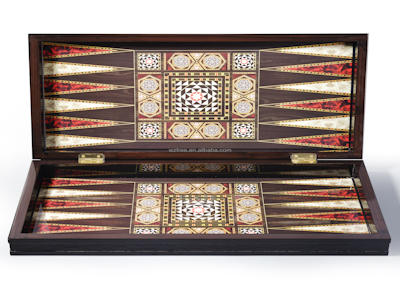
В мире шахмат, где каждая фигура несёт в себе стратегическую значимость и историческую глубину, способы их хранения играют не менее важную роль. Деревянные шахматные коробки представляют собой не просто утилитарные контейнеры, а истинные произведения искусства, сочетающие в себе функциональность, эстетику и традиции. Они не только защищают ценные фигуры от повреждений, но и подчёркивают статус владельца, добавляя элемент изысканности в любое пространство. В этой статье мы погрузимся в мир деревянных шахматных коробок, исследуя их историю, преимущества, разнообразие материалов, процесс изготовления, практические аспекты выбора и ухода, а также их культурное значение. От классических дизайнов до современных инноваций, мы раскроем, почему эти коробки остаются незаменимым аксессуаром для шахматистов и коллекционеров по всему миру.
История шахматных коробок: от простоты к элегантности
История шахматных коробок тесно переплетена с развитием самой игры, которая зародилась в древней Индии около VI века н.э. и постепенно распространилась по миру, адаптируясь к различным культурам. Изначально шахматные фигуры хранились в простых мешочках или деревянных ящиках, изготовленных кустарным способом. Эти ранние контейнеры служили чисто практическим целям: защищать фигуры во время транспортировки и хранения. Однако с ростом популярности шахмат среди аристократии и интеллектуальной элиты, особенно в Европе в средние века, коробки начали приобретать более изысканные формы.
В эпоху Возрождения, когда искусство и ремесло переживали расцвет, шахматные коробки стали объектом внимания мастеров-краснодеревщиков. Они украшались резьбой, инкрустацией из ценных материалов, таких как слоновая кость или перламутр, и часто отражали стиль эпохи — готический, барокко или классицизм. Например, в XVI веке итальянские и немецкие мастера создавали коробки с замысловатыми узорами, которые не только хранили фигуры, но и служили украшением интерьера. Это было время, когда шахматы воспринимались не просто как игра, а как символ интеллекта и статуса, и их аксессуары должны были соответствовать этому образу.
В XIX веке, с промышленной революцией, производство шахматных коробок стало более массовым, но при этом сохранило элементы ручной работы для高端-продукции. Дерево оставалось предпочтительным материалом due to its durability and natural beauty. Коробки этого периода often featured compartments for each piece, ensuring organization and protection. The Victorian era, in particular, saw a surge in ornate designs, with boxes made from mahogany or walnut, adorned with brass fittings and velvet lining. This evolution highlights how wooden chess boxes transitioned from utilitarian objects to elegant storage solutions, embodying centuries of craftsmanship and cultural heritage.
Преимущества деревянных шахматных коробок: почему они вне конкуренции
Деревянные шахматные коробки предлагают множество преимуществ, которые делают их superior choice compared to other materials like plastic or metal. Firstly, wood is a natural material that provides excellent protection for chess pieces. Its inherent strength and shock-absorbing properties help prevent damage from impacts or falls, which is crucial for preserving delicate figures, especially those made from materials like ivory or fine woods. Additionally, wood offers thermal insulation, protecting pieces from extreme temperature changes that could cause warping or cracking.
Эстетически, деревянные коробки add a touch of elegance and sophistication to any setting. The warm tones and unique grain patterns of woods like oak, cherry, or ebony create a visually appealing presentation that enhances the overall chess experience. Unlike synthetic materials, wood ages gracefully, developing a rich patina over time that tells a story of use and care. This makes each box unique and valuable, not just as a storage solution but as a collectible item. Furthermore, wooden boxes often feature handcrafted details such as carvings, inlays, or custom finishes, allowing for personalization that reflects the owner's taste and style.
С экологической точки зрения, дерево является sustainable and renewable resource when sourced responsibly. Many manufacturers use reclaimed or FSC-certified wood, reducing environmental impact. This aligns with the growing trend towards eco-friendly products, making wooden chess boxes a conscious choice for environmentally aware consumers. In terms of functionality, these boxes typically include well-designed interiors with padded compartments or dividers, ensuring that each piece is securely held in place. This organization not only protects the pieces but also makes setup and cleanup quicker and more enjoyable. Overall, the combination of durability, beauty, and sustainability makes wooden chess boxes an unparalleled option for chess enthusiasts.
Разнообразие материалов: от классического дерева до экзотических пород
Деревянные шахматные коробки изготавливаются из широкого спектра пород дерева, каждая из которых обладает unique characteristics and appeal. Common woods include oak, known for its strength and prominent grain; maple, prized for its light color and smooth texture; and walnut, valued for its dark, rich hue and durability. These woods are often chosen for their availability and workability, making them ideal for mass-produced or custom boxes. For example, oak boxes are popular for their rustic charm, while maple offers a modern, minimalist look.
Экзотические породы, такие как красное дерево, палисандр или эбеновое дерево, are used for high-end boxes that exude luxury and exclusivity. Mahogany, with its deep red-brown color and fine grain, is associated with traditional elegance and is often used in heirloom-quality pieces. Rosewood, known for its aromatic scent and striking patterns, adds a touch of opulence. Ebony, one of the densest and darkest woods, is highly sought after for its sleek appearance and association with premium chess sets. These exotic woods not only enhance the visual appeal but also increase the box's value and longevity due to their resistance to wear and decay.
Помимо цельного дерева, коробки могут быть изготовлены из шпонированных или ламинированных материалов, which offer a cost-effective alternative while maintaining the aesthetic of wood. However, solid wood boxes are generally preferred for their authenticity and durability. The choice of wood often depends on the type of chess set: for instance, a box made from the same wood as the pieces creates a harmonious set, while contrasting woods can make a bold statement. Additionally, some boxes incorporate other materials like leather for hinges or metal for accents, adding to their functionality and style. This diversity allows consumers to select a box that perfectly matches their needs and preferences, whether for practical use or as a decorative piece.
Процесс изготовления: искусство создания шедевров
Изготовление деревянных шахматных коробок — это трудоёмкий процесс, требующий мастерства и внимания к деталям. It begins with the selection of wood, where craftsmen choose boards with minimal defects and desirable grain patterns. The wood is then cut to size using saws and planers, ensuring precise dimensions for the box's exterior and interior compartments. For handmade boxes, this stage involves careful measurement to accommodate specific chess sets, often with custom fittings for each piece.
Далее следует сборка, where the pieces are joined using techniques like dovetail or box joints, which provide strength and durability without the need for excessive glue or nails. These joints are a hallmark of quality craftsmanship, as they allow the wood to expand and contract with changes in humidity, preventing warping or cracking. The interior is typically lined with soft materials such as velvet, felt, or foam, which cushion the pieces and prevent scratches. This lining is often hand-cut and glued into place, requiring precision to ensure a snug fit for each compartment.
Отделка является ключевым этапом, enhancing the wood's natural beauty and protecting it from damage. This may involve sanding to a smooth finish, staining to achieve desired colors, and applying finishes like lacquer, oil, or wax. Hand-rubbed finishes are common in high-end boxes, giving them a deep, lustrous sheen. Decorative elements such as carvings, inlays, or engraved monograms are added at this stage, often by skilled artisans using traditional tools. Finally, hardware like hinges, latches, or handles is installed, ensuring easy access and security. The entire process can take days or even weeks for complex designs, resulting in a functional work of art that celebrates the tradition of woodworking.
Практические советы по выбору: как найти идеальную коробку
Выбор деревянной шахматной коробки зависит от нескольких факторов, включая размер шахматного набора, бюджет и личные предпочтения. First, measure the dimensions of your chess pieces, especially the king, as it is usually the tallest. The box should have compartments that accommodate all pieces snugly without crowding, to prevent damage during storage or transport. For standard sets, a box with individual slots for each piece is ideal, while for larger or custom sets, you may need a box with adjustable dividers.
Consider the type of wood: solid wood boxes are more durable and valuable, but they can be heavier and more expensive. If budget is a concern, veneered boxes offer a similar look at a lower cost. Pay attention to the finish—smooth, well-applied finishes indicate quality craftsmanship and better protection against moisture and wear. Also, check the hardware: sturdy hinges and reliable latches are essential for longevity. For portability, look for boxes with handles or lightweight designs, but ensure they still provide adequate protection.
Эстетические предпочтения играют важную роль: choose a style that complements your chess set and home decor. Classic designs with simple lines suit traditional sets, while modern boxes with sleek finishes may better match contemporary aesthetics. If possible, read reviews or purchase from reputable manufacturers known for quality. Finally, think about maintenance: wood requires occasional care, such as polishing with oil or wax, to maintain its appearance. By considering these aspects, you can find a wooden chess box that not only stores your pieces safely but also enhances your enjoyment of the game.
Уход и обслуживание: сохраняем красоту на годы вперед
Proper care is essential to maintain the beauty and functionality of wooden chess boxes. Start by keeping the box in a stable environment away from direct sunlight, extreme temperatures, and high humidity, as these can cause wood to warp, fade, or develop mold. Ideally, store the box in a cool, dry place, and avoid placing heavy objects on top of it.
Регулярная очистка поможет предотвратить накопление пыли и грязи. Use a soft, dry cloth to wipe the exterior gently; for stubborn dirt, slightly dampen the cloth with water or a mild wood cleaner, but avoid harsh chemicals that could damage the finish. For the interior lining, vacuuming or brushing with a soft brush can remove debris without harming the material. If the lining becomes stained, spot clean with a damp cloth and allow it to air dry completely before closing the box.
Для долговременного ухода, периодически наносите wood polish or wax specifically designed for the type of wood. This helps replenish natural oils, protect against moisture, and enhance the wood's luster. Be cautious with finishes: if the box has a lacquer or varnish coating, avoid abrasive polishes that could scratch it. Inspect hardware like hinges and latches regularly, tightening screws or lubricating moving parts as needed to ensure smooth operation. With consistent care, a wooden chess box can last for generations, becoming a cherished heirloom that retains its elegance and functionality.
Культурное значение: больше чем просто хранилище
Деревянные шахматные коробки hold cultural significance beyond their practical use, symbolizing tradition, intellect, and artistry. In many cultures, chess is seen as a game of strategy and wisdom, and its accessories reflect this elevated status. For instance, in Russia and Eastern Europe, finely crafted wooden boxes are often associated with intellectual pursuits and are common in academic or literary circles. They serve as gifts for milestones like graduations or promotions, representing thoughtfulness and refinement.
Historically, chess boxes have been featured in art and literature, emphasizing their role as cultural artifacts. In medieval times, they were status symbols among nobility, while in modern times, they appear in films and museums as examples of craftsmanship. Collectors value antique boxes for their historical provenance, often seeking pieces from specific eras or regions. This cultural depth adds emotional value, making wooden chess boxes more than just containers—they are storytellers that connect people to the rich heritage of the game.
Moreover, in a digital age where physical objects are increasingly valued for their tangibility, wooden chess boxes represent a return to authenticity and hands-on engagement. They encourage mindfulness and appreciation for handmade goods, fostering a sense of connection to the past. As such, they play a role in preserving cultural traditions and promoting the arts, making them meaningful additions to any collection or household.
Заключение: вечная элегантность в каждом изделии
В заключение, деревянные шахматные коробки embody a perfect blend of functionality, beauty, and tradition. From their historical roots to modern innovations, they offer unparalleled protection for chess pieces while enhancing the aesthetic experience of the game. The variety of woods, craftsmanship techniques, and design options ensure that there is a box to suit every taste and need. By choosing a wooden box, you invest in a durable, sustainable, and elegant solution that can be cherished for years to come.
Whether you are a casual player, a serious enthusiast, or a collector, a wooden chess box adds value to your set and enriches your connection to the world of chess. It serves as a reminder of the game's intellectual heritage and the artistry involved in its accessories. As we move forward, these boxes will continue to evolve, incorporating new materials and designs, but their core appeal—the timeless elegance of wood—will remain unchanged. Embrace the tradition and make a wooden chess box the centerpiece of your chess experience, ensuring that your pieces are stored with the care and sophistication they deserve.
 1388xx888xx