

В мире, где каждая деталь имеет значение, упаковка вина играет ключевую роль в создании незабываемых впечатлений. Представьте себе: вы держите в руках бутылку изысканного вина, но она обёрнута в простую бумагу или пластик. Сравните это с моментом, когда та же бутылка предстаёт перед вами в роскошной, королевской упаковке – бархатной коробке с золотым тиснением, элегантном футляре из дерева или шёлковом мешочке. Разница колоссальна! Королевская упаковка не просто защищает вино; она возвышает его, превращая в символ утончённости, праздника и особого внимания к деталям. Именно поэтому ваша бутылка вина заслуживает только самого лучшего – упаковки, достойной королей, для тех незабываемых моментов, которые остаются в памяти навсегда.
История упаковки вина уходит корнями в глубокую древность. Ещё в античные времена, например, в Древнем Риме и Греции, вино хранили в амфорах, которые часто украшали intricate designs and inscriptions, symbolizing status and wealth. These vessels were not just functional; they were works of art, reflecting the cultural importance of wine. Fast forward to the Middle Ages, and we see the emergence of wooden crates and leather bags used for transport, but it was during the Renaissance that packaging began to take on a more luxurious form. Noble families commissioned custom-made boxes for their wine collections, adorned with family crests and precious materials. This tradition evolved through the centuries, with the Industrial Revolution bringing mass-produced glass bottles and labels, but the essence remained: packaging as a statement of quality and prestige.
In the modern era, the concept of royal packaging for wine has been refined to perfection. Today, it encompasses a wide range of materials and styles, from handcrafted wooden cases lined with velvet to minimalist yet elegant designs that emphasize sustainability. The psychology behind it is fascinating: studies show that attractive packaging can enhance the perceived value of wine by up to 20%, influencing consumers' enjoyment and willingness to pay a premium. For instance, a survey by the Wine Market Council found that 65% of wine buyers are more likely to purchase a bottle if it comes in premium packaging, associating it with higher quality and special occasions.
But why does royal packaging matter so much? It's all about the experience. Wine is often consumed during celebrations – weddings, anniversaries, birthdays, or romantic dinners. In these moments, the packaging sets the tone. A beautifully wrapped bottle builds anticipation, creates a sense of occasion, and shows thoughtfulness. It transforms the act of giving or receiving wine into a memorable event. Moreover, for collectors and connoisseurs, royal packaging protects the investment, ensuring that the wine ages gracefully and maintains its value. Materials like acid-free paper, humidity-controlled boxes, and UV-protective coatings are essential for preservation, making packaging both aesthetic and functional.
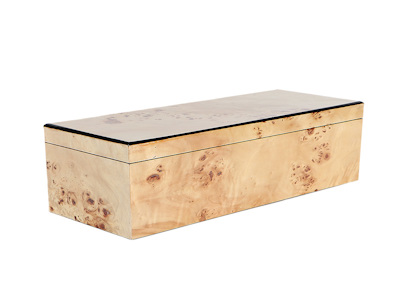
Let's delve into the elements that make up royal packaging. First, the box itself: often made from high-quality wood, such as oak or mahogany, or from sustainable alternatives like bamboo or recycled cardboard with luxurious finishes. The interior might feature plush velvet or silk lining, cradling the bottle securely. Then, there are the extras – engraved plaques, personalized messages, or even small accessories like corkscrews or tasting notes. These touches add a layer of customization, making the package unique to the recipient. For example, a wedding gift could include the couple's names and wedding date etched onto the box, turning it into a keepsake.
Color and design play a crucial role too. Royal packaging often employs rich colors like deep reds, golds, and blacks, evoking elegance and opulence. Typography and imagery are carefully chosen to reflect the wine's origin or brand story. A Burgundy wine might feature classic, serif fonts and illustrations of vineyards, while a New World wine could opt for bold, modern designs. This visual appeal not only attracts attention but also communicates the wine's character before it's even opened.
Sustainability is an increasingly important aspect. Many consumers now seek eco-friendly options, and royal packaging has adapted. Brands are using recycled materials, biodegradable inks, and designs that can be repurposed. For instance, a wooden wine box might be crafted to serve as a storage case or decor item after use, reducing waste. This alignment with environmental values adds another layer of appeal, showing that luxury and responsibility can coexist.
The benefits of investing in royal packaging are manifold. For wineries, it differentiates their products in a competitive market, allowing them to command higher prices and build brand loyalty. A study by Nielsen found that wines with premium packaging have a 15% higher sell-through rate compared to standard packaging. For consumers, it enhances the gifting experience, making the recipient feel valued and special. In social settings, a beautifully packaged wine can be a conversation starter, elevating the entire event.
Consider the emotional impact. Giving a bottle in royal packaging says, "I care enough to make this moment extraordinary." It's not just about the wine inside; it's about the story it tells. Whether it's a rare vintage meant for aging or a everyday bottle dressed up for a party, the packaging amplifies its significance. This is particularly true in cultures where gift-giving is deeply ritualized, such as in Russia, where presents are often elaborately wrapped to show respect and affection.
Practical tips for choosing royal packaging: assess the occasion – a wedding might call for something grand and traditional, while a corporate gift could be more understated but still high-quality. Consider the wine's profile; a bold red might suit a dark, sturdy box, while a delicate white could be enhanced by lighter, airier materials. Budget is a factor too; royal packaging can range from affordable luxury options to bespoke, high-end creations. Many online retailers and specialty stores offer customizable solutions, making it accessible to all.
In conclusion, royal packaging for wine is more than just a wrapper; it's an integral part of the wine experience. It honors the craftsmanship of the winemaker, elevates special moments, and creates lasting memories. So, the next time you select a bottle of wine, remember: it deserves to be presented in a way that matches its splendor. Invest in royal packaging, and transform ordinary occasions into extraordinary celebrations. After all, life's special moments are worth every bit of elegance and care.
This article has explored the history, psychology, elements, and benefits of royal wine packaging, emphasizing its role in enhancing value and experience. From ancient times to modern trends, packaging has always been a symbol of status and thoughtfulness. By choosing the right packaging, you not only protect your wine but also celebrate the artistry and joy it brings. So, go ahead – give your wine the royal treatment it deserves, and make every sip part of a unforgettable story.
To delve deeper, consider the cultural variations. In France, for example, wine packaging often reflects regional heritage, with designs inspired by local art. In contrast, American wineries might focus on innovation and personalization. The global market for wine packaging is growing, projected to reach $XX billion by 2025, driven by increasing demand for premium experiences. This trend underscores the universal appeal of beautiful presentation.
Moreover, technology is playing a role. Smart packaging with QR codes that link to videos about the wine's origin or augmented reality features are becoming popular, adding an interactive element to royal packaging. This blend of tradition and innovation ensures that packaging remains relevant and exciting.
Ultimately, whether you're a wine enthusiast, a gift-giver, or a professional in the industry, embracing royal packaging can elevate your approach. It's a small investment with significant returns in terms of satisfaction and perception. So, cherish those special moments with wine that is not only delicious but also beautifully presented – because every bottle tells a story, and it deserves a crown.
Remember, the journey of wine from vineyard to glass is a tale of passion and craftsmanship. Royal packaging is the final chapter, wrapping that story in elegance and grace. Make it count!
In summary, this comprehensive guide highlights why royal packaging is essential for wine. It covers historical context, modern applications, psychological effects, and practical advice, all aimed at inspiring readers to choose packaging that matches the majesty of their wine. By doing so, they can create moments that are truly regal and memorable.
Thank you for reading, and may your next bottle of wine be encased in nothing less than royalty. Cheers to special moments and the perfect packaging that makes them even better!
 1388xx888xx