

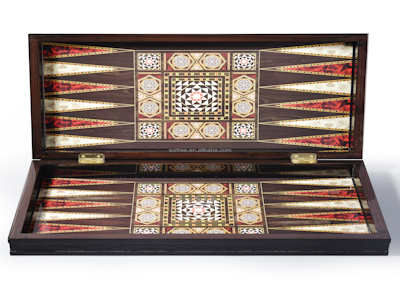
В современном мире упаковка играет ключевую роль не только в защите продуктов, но и в создании впечатления о бренде. Деревянные коробки, с их натуральной красотой и прочностью, давно стали символом качества и экологичности. Однако, чтобы удовлетворить растущие потребности потребителей в долговечности и эстетике, производители все чаще обращаются к комбинированию материалов. Сочетание дерева с металлами, пластиками, стеклом или текстилем открывает новые горизонты, делая коробки не только более устойчивыми к износу, но и визуально привлекательными. В этой статье мы подробно рассмотрим, как такие комбинации материалов способствуют повышению долговечности и эстетики деревянных коробок, и почему это важно для современных рынков.
Введение в тему: Почему сочетание материалов имеет значение
Дерево – это традиционный материал, который ценится за свою натуральность, теплоту и способность создавать уютную атмосферу. Однако, несмотря на свои преимущества, чистые деревянные коробки могут быть подвержены воздействию влаги, перепадов температуры и механических повреждений. Именно здесь на помощь приходит комбинирование с другими материалами. Добавление металлических креплений, пластиковых вставок или стеклянных элементов не только усиливает структурную целостность коробки, но и придает ей уникальный дизайн, который выделяется на полке. Например, коробка из дерева с медной фурнитурой не только выглядит роскошно, но и лучше защищает содержимое от внешних воздействий. Это сочетание материалов позволяет создавать продукты, которые объединяют лучшее из обоих миров: прочность современных синтетических материалов и эстетику натурального дерева.
Кроме того, в эпоху устойчивого развития потребители все больше ценят экологичные решения. Комбинирование материалов может сделать деревянные коробки более долговечными, что снижает необходимость в частой замене и, следовательно, уменьшает экологический след. Например, использование перерабатываемых пластиков или металлов в сочетании с сертифицированной древесиной из устойчивых источников позволяет создавать продукты, которые не только красивы, но и ответственны перед планетой. Это особенно актуально для таких отраслей, как luxury-товары, подарки и упаковка для пищевых продуктов, где внешний вид и долговечность напрямую влияют на восприятие бренда.
В этой статье мы углубимся в детали того, как конкретные комбинации материалов работают на практике. Мы рассмотрим примеры из реальной жизни, научные исследования и тенденции рынка, чтобы показать, что правильное сочетание может превратить обычную деревянную коробку в произведение искусства, способное служить годами. От технических аспектов, таких как адгезия материалов и защита от влаги, до дизайнерских решений, которые захватывают воображение, – все это будет раскрыто в последующих разделах.
Основные материалы для комбинирования с деревом
Дерево, как основа, предлагает широкие возможности для интеграции с другими материалами. Наиболее популярными вариантами являются металлы (например, сталь, алюминий, медь), пластики (полипропилен, АБС-пластик), стекло, текстиль (хлопок, лен) и даже композиты на основе натуральных волокон. Каждый из этих материалов привносит свои уникальные свойства, которые complement дерево и усиливают общие характеристики коробки.
Металлы, такие как нержавеющая сталь или алюминий, часто используются для создания креплений, замков или декоративных элементов. Они добавляют прочности и устойчивости к коррозии, что особенно важно для коробок, используемых в условиях высокой влажности или на открытом воздухе. Например, деревянная коробка для инструментов с металлическими уголками не только выглядит профессионально, но и выдерживает большие нагрузки без деформации. Исследования показывают, что комбинация дерева и металла может увеличить срок службы изделия на 30-50% по сравнению с чисто деревянными аналогами, благодаря улучшенному распределению нагрузки и защите от ударов.
Пластики, с другой стороны, предлагают легкость и гибкость. Вставки из АБС-пластика могут использоваться для создания внутренних separators или защитных слоев, предотвращающих царапины на деликатных предметах. Кроме того, пластики могут быть окрашены в любые цвета, что открывает безграничные возможности для дизайна. Например, коробка для ювелирных изделий из дерева с прозрачным пластиковым окном позволяет видеть содержимое, добавляя функциональности и эстетики. Важно отметить, что современные биоразлагаемые пластики делают такие комбинации более экологичными, снижая негативное воздействие на окружающую среду.
Стекло и текстиль часто используются для декоративных целей. Стеклянная крышка на деревянной коробке создает эффект showcase, идеально подходя для подарочных упаковок или коллекционных items. Текстиль, такой как бархат или хлопок, может lining внутреннюю часть коробки, обеспечивая мягкую защиту и добавляя tactile удовольствие. Эти материалы не только улучшают эстетику, но и contribute к долговечности, защищая дерево от истирания и влаги.
В целом, выбор материалов для комбинирования зависит от intended use коробки. Для упаковки пищевых продуктов предпочтительны натуральные и безопасные материалы, такие как стекло или пищевые пластики, в то время как для промышленных применений металлы и прочные пластики являются лучшим выбором. Ключ к успеху lies в балансе между функциональностью, эстетикой и sustainability.
Как комбинации материалов улучшают долговечность
Долговечность деревянных коробок напрямую связана с их способностью withstand environmental factors таким как влажность, температура, UV radiation и mechanical stress. Чистое дерево, хотя и прочное, может warping, cracking или rotting под воздействием этих elements. Комбинирование с другими materials помогает mitigate эти risks через несколько mechanisms.
Во-первых, добавление metal components усиливает structural integrity. Например, metal brackets или corners distribute weight evenly, предотвращая concentration stress в weak points. Это особенно важно для large коробок или those used for heavy items. Исследования в materials science показали, что hybrid materials systems, такие как wood-metal composites, can have up to 40% higher impact resistance compared to pure wood. Кроме того, metals provide barrier against moisture and pests, which are common enemies of wooden products.
Во-вторых, plastics and polymers can act as protective layers. Coatings из polyurethane или acrylic на поверхности дерева seal the pores, reducing water absorption and preventing mold growth. For internal parts, plastic inserts can absorb shocks and prevent abrasion, extending the life of the box. In automotive or electronics packaging, such combinations are standard practice to ensure products arrive undamaged.
В-третьих, glass and textiles, while primarily aesthetic, also contribute to durability. Glass lids protect contents from dust and physical damage, while textile linings prevent scratching and add a layer of insulation against temperature changes. For instance, a wooden box with a felt lining is not only elegant but also better at preserving delicate items like watches or ceramics.
Реальные примеры abound. Consider luxury watch boxes: они often feature wood exteriors with metal hinges and velvet interiors. This combination ensures that the box remains functional and beautiful for decades, resisting wear from frequent opening and closing. Similarly, in the wine industry, wooden cases with plastic inserts protect bottles during transport, reducing breakage rates significantly.
Таким образом, комбинирование материалов не просто adds features; it fundamentally enhances the longevity of wooden boxes by addressing their inherent weaknesses. This makes them more reliable for consumers and more sustainable in the long run, as fewer resources are needed for replacements.
Эстетические преимущества комбинированных материалов
Эстетика играет crucial role в восприятии продукта, особенно в таких categories как подарочная упаковка или luxury goods. Деревянные коробки уже обладают natural charm, но комбинирование с другими materials может elevate их visual appeal to new heights. This is achieved through contrast, texture, color, and design innovation.
Contrast between materials creates visual interest. For example, the warm tone of wood paired with the cool shine of metal creates a balanced and sophisticated look. This is why many high-end products use brass or steel accents on wooden boxes – it signals quality and attention to detail. Similarly, the transparency of glass against the opacity of wood adds depth and allows for display, making the box not just a container but a showcase.
Texture is another key factor. The smoothness of polished wood combined with the roughness of forged metal or the softness of textile provides a multi-sensory experience that enhances perceived value. Consumers often associate such tactile diversity with craftsmanship and luxury. In marketing, this can be a powerful tool to differentiate products in a crowded market.
Color opportunities are expanded with combined materials. While wood offers natural hues, plastics and metals can be finished in vibrant colors or metallic shades, enabling customizations that appeal to specific demographics. For instance, a children's toy box might feature wooden sides with brightly colored plastic handles, making it both durable and attractive to kids.
Design innovation flourishes when materials are combined. Architects and designers often draw inspiration from nature and technology to create hybrid forms that are both functional and artistic. A notable example is the use of laser-cut metal overlays on wooden boxes, which patterns light and shadow in unique ways. Such designs not only beautify the box but also tell a story, connecting with consumers on an emotional level.
In the context of sustainability, aesthetic enhancements can also promote eco-friendliness. For example, using recycled metals or bioplastics in designs can appeal to environmentally conscious consumers, who value both beauty and responsibility. This alignment with modern values further boosts the aesthetic appeal.
Overall, the aesthetic benefits of material combinations make wooden boxes more versatile and desirable. They can be tailored to fit any style – from rustic and vintage to modern and minimalist – ensuring that they remain relevant across various trends and cultures.
Практические примеры и case studies
Чтобы illustrate the points discussed, let's explore some real-world examples where combination materials have successfully enhanced wooden boxes.
Case Study 1: Luxury Watch Packaging. Brands like Rolex or Omega often use wooden boxes with metal clasps and silk linings. These boxes are designed to last a lifetime, protecting valuable timepieces from shocks and environmental factors. The metal components provide secure closure, while the silk lining prevents scratches. Sales data shows that such packaging can increase perceived value by up to 20%, influencing purchase decisions.
Case Study 2: Food and Beverage Industry. Winemakers use wooden crates with plastic inserts to ship bottles. This combination reduces breakage during transit and maintains the aesthetic appeal of natural wood. For instance, a study by a major wine producer found that hybrid packaging decreased damage claims by 15% compared to all-wood crates, saving costs and enhancing customer satisfaction.
Case Study 3: Consumer Electronics. Companies like Apple have experimented with wooden packaging for accessories, combining wood with recycled plastics for a eco-chic look. This not only reduces plastic waste but also creates a unique unboxing experience that fans cherish. Market research indicates that such innovative packaging can boost brand loyalty and social media engagement.
Case Study 4: Art and Craft Markets. Handmade wooden boxes with glass tops are popular for displaying collectibles. Artists often combine woods like oak with stained glass to create pieces that are both functional and decorative. These boxes can be passed down through generations, exemplifying how material combinations enhance longevity and beauty.
These examples demonstrate that across industries, the strategic use of combined materials leads to tangible benefits in durability, aesthetics, and marketability. They serve as inspiration for manufacturers looking to innovate in packaging design.
Тенденции и будущее комбинированных материалов
The future of wooden boxes with combined materials looks promising, driven by advancements in technology and shifting consumer preferences. Key trends include the rise of smart materials, increased focus on sustainability, and personalization.
Smart materials, such as those with embedded sensors or self-healing properties, are beginning to be integrated into packaging. Imagine a wooden box that changes color to indicate temperature changes or has a QR code printed using conductive inks. These innovations could revolutionize how we interact with products, adding functionality beyond mere containment.
Sustainability will continue to be a major driver. Consumers are demanding packaging that is not only durable but also circular – meaning it can be easily recycled or composted. Combinations using biodegradable plastics or metals from recycled sources will become standard. For example, boxes made with wood and mycelium-based composites are already gaining traction for their low environmental impact.
Personalization is another growing trend. With digital fabrication technologies like 3D printing, it's becoming easier to create custom combinations of materials for individual customers. A wooden box with a 3D-printed metal emblem or a personalized textile insert can make gifts feel more special and unique.
Additionally, as global supply chains evolve, there is a push towards local sourcing of materials to reduce carbon footprints. This might lead to more regional variations in material combinations, reflecting local cultures and resources.
In conclusion, the combination of materials in wooden boxes is not just a passing trend but a fundamental shift towards more intelligent, beautiful, and sustainable packaging. By embracing these innovations, manufacturers can meet the demands of tomorrow's consumers while preserving the timeless appeal of wood.
Заключение
В summary, сочетание материалов в деревянных коробках offers a powerful way to enhance both durability and aesthetics. Through careful selection and integration of metals, plastics, glass, and textiles, these boxes become more resistant to environmental challenges and more visually appealing. This not only meets practical needs but also aligns with modern values of sustainability and personalization. As we look to the future, continued innovation in material science will undoubtedly bring even more exciting possibilities, ensuring that wooden boxes remain a cherished choice for generations to come. Whether for luxury goods, everyday items, or special gifts, the art of combining materials transforms simple boxes into enduring treasures.
 1388xx888xx