


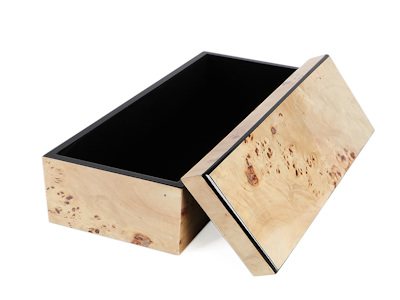
В современном мире, где массовое производство и цифровые технологии доминируют, ручные ремесла и традиционные искусства часто остаются в тени. Однако, именно такие предметы, как резные шкатулки для украшений, напоминают нам о глубине человеческого творчества и культурного наследия. Они не просто служат для хранения драгоценностей, но и становятся центральными элементами интерьера, символами мастерства и эстетики. В этой статье мы погрузимся в мир резных шкатулок, исследуя их историю, техники создания, культурное значение и актуальность в современном искусстве быта. Мы рассмотрим, как эти небольшие объекты воплощают в себе вековые традиции и инновации, превращая обыденное в исключительное.
Исторический контекст: Истоки резного искусства
Резьба по дереву и другим материалам имеет древние корни, уходящие в глубь веков. Еще в древних цивилизациях, таких как Египет, Китай и Греция, мастера использовали резьбу для украшения предметов быта, религиозных артефактов и личных вещей. Шкатулки, в частности, появились как функциональные контейнеры для хранения ценных items, но быстро evolved into objects of art. В средние века, с развитием гильдий и ремесленных традиций в Европе, резные шкатулки стали популярны среди знати и богатых купцов. Они часто украшались intricate designs, reflecting the cultural and religious beliefs of the time. For example, in Russia, the tradition of wood carving flourished during the Kievan Rus period, with masters creating elaborate boxes for icons and jewelry. These early examples set the stage for the evolution of carved boxes as art forms, blending utility with beauty.
Техники и материалы: Мастерство behind the Art
Создание резной шкатулки требует не только художественного видения, но и технического мастерства. Мастера используют различные материалы, включая дерево (such as oak, walnut, or birch), кость, металл, и даже современные композиты. Дерево remains the most popular due to its warmth, durability, and ease of carving. Техники резьбы vary from relief carving, where designs are raised from the surface, to intaglio, where they are incised. Tools such as chisels, knives, and gouges are employed to create patterns ranging from geometric motifs to floral and figurative scenes. The process often involves multiple stages: selection of wood, rough carving, detailing, sanding, and finishing with oils or lacquers to enhance the natural grain and protect the piece. In many cultures, specific styles have developed, such as the detailed floral carvings of Scandinavian boxes or the narrative scenes found in Indian craftsmanship. This diversity highlights how regional traditions influence the art, making each shkatulka unique.
Культурное значение: Символизм и идентичность
Резные шкатулки не просто декоративные objects; они несут глубокое культурное и символическое значение. Во многих обществах, они ассоциируются с protection, wealth, and memory. For instance, in Slavic cultures, a carved box might be given as a wedding gift, symbolizing the safekeeping of family treasures and the start of a new life. The designs often incorporate symbolic elements: flowers for growth and beauty, animals for strength, or religious icons for spirituality. In some indigenous cultures, such as those in North America, carved boxes are used in ceremonies and storytelling, preserving oral histories through visual art. This symbolic layer transforms the shkatulka from a mere container into a narrative object, connecting the past with the present. Moreover, in the context of globalization, these boxes serve as ambassadors of cultural identity, allowing artisans to share their heritage with the world.
Современное искусство быта: Актуальность и инновации
В эпоху массового производства, handcrafted items like резные шкатулки gain value as expressions of individuality and sustainability. Contemporary artists and craftsmen are revitalizing traditional techniques while incorporating modern elements. For example, some use laser cutting or CNC machinery to achieve precision, yet maintain the hand-finished touch. Others experiment with mixed media, combining wood with glass, metal, or even digital elements to create interactive pieces. The rise of the slow movement and appreciation for artisanal goods has led to a resurgence in demand for unique, handmade shkatulki. They are not only functional but also statement pieces in interior design, reflecting a owner's taste and values. Furthermore, online platforms and social media have enabled artisans to reach global audiences, fostering a new appreciation for this art form. This modern context shows how резные шкатулки continue to evolve, bridging tradition and innovation.
Эстетика и восприятие: Почему искусство быта matters
Искусство быта, или everyday art, plays a crucial role in enhancing our quality of life. It brings beauty into the mundane, transforming ordinary objects into sources of joy and inspiration. A резная шкатулка, with its intricate carvings and tactile quality, engages multiple senses and encourages mindfulness. In a world dominated by screens and virtual experiences, such objects remind us of the value of physical craftsmanship and the human touch. Studies in psychology suggest that surrounding ourselves with art can reduce stress and increase well-being. By choosing handcrafted items over mass-produced ones, consumers support ethical practices and cultural preservation. Thus, the shkatulka becomes more than a storage solution; it is a testament to the enduring power of art in daily life, prompting us to slow down and appreciate the details.
Заключение: Будущее резного искусства
В заключение, резная шкатулка для украшений embodies the essence of art in everyday life. It is a fusion of history, culture, craftsmanship, and modern relevance. As we look to the future, it is essential to support and preserve such traditions through education, patronage, and innovation. Artisans must adapt to changing tastes while staying true to their roots, ensuring that this art form continues to thrive. For consumers, investing in a handmade shkatulka is not just a purchase but a commitment to beauty, sustainability, and cultural diversity. Let us cherish these small masterpieces as symbols of human creativity and the endless possibilities of art in our daily surroundings.
 1388xx888xx