


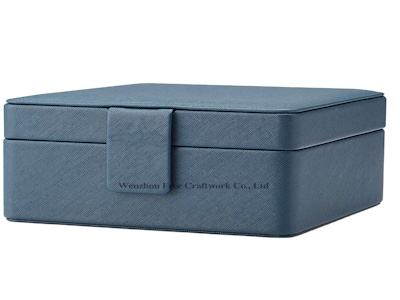
В мире, где массовое производство доминирует, подарочная деревянная коробка выделяется как символ индивидуальности, искусства и вечной красоты. Она не просто утилитарный объект для хранения или презентации; это произведение, которое рассказывает историю, вызывает эмоции и воплощает мастерство. В этой статье мы углубимся в то, как деревянные коробки превратились из простых контейнеров в высокое искусство, исследуя их историю, эстетику, культурное значение и современные тенденции.
Исторический контекст: от утилитарности к искусству
Дерево как материал использовалось человечеством тысячелетиями, и коробки из дерева появились еще в древних цивилизациях. Изначально они служили практическим целям: хранение ценностей, продуктов или религиозных артефактов. Например, в Древнем Египте деревянные ларцы украшались иероглифами и изображениями богов, что уже тогда придавало им художественную ценность. В средние века в Европе мастера-ремесленники создавали intricately carved коробки для знати, часто инкрустированные драгоценными металлами и камнями, что подчеркивало статус и богатство.
С течением веков, с развитием технологий и изменением культурных предпочтений, деревянные коробки эволюционировали. В эпоху Возрождения искусство резьбы по дереву достигло новых высот, и коробки стали холстами для сложных сцен из мифологии или природы. В XIX веке промышленная революция принесла массовое производство, но это также породило движение Arts and Crafts, которое подчеркивало ручной труд и эстетику. Такие фигуры, как Уильям Моррис, advocated for объекты, которые красивы и функциональны, что напрямую повлияло на восприятие деревянных коробок как искусства.
В XX веке модернизм и минимализм изменили дизайн, но деревянные коробки сохранили свою привлекательность благодаря своей натуральности и теплу. Сегодня, в эпоху устойчивого развития и персонализации, они переживают ренессанс как объекты, сочетающие традиционное мастерство с современным дизайном.
Эстетические аспекты: форма, текстура и цвет
Эстетика подарочной деревянной коробки многогранна и охватывает форму, текстуру, цвет и общее визуальное воздействие. Форма коробки может варьироваться от простых прямоугольников до сложных геометрических фигур, таких как шестигранники или овалы, каждый из которых передает различное настроение. Например, угловатые формы могут символизировать современность и строгость, в то время как округлые формы evoke мягкость и традицию.
Текстура дерева играет ключевую роль в эстетике. Каждый кусок дерева уникален благодаря своим зернам, сучкам и цветовым вариациям. Породы дерева, такие как дуб, орех, или красное дерево, предлагают distinct текстуры: дуб прочный и зернистый, идеален для rustic стиля, в то время как орех гладкий и богатый, подходит для luxury items. Обработка поверхности—шлифовка, лакировка, или оставление в естественном состоянии—усиливает текстуру, создавая тактильное удовольствие при прикосновении.
Цвет дерева естественно варьируется от светлых оттенков, like pine or birch, to dark tones, such as ebony or mahogany. Этот цвет может быть enhanced через окрашивание или тонирование, allowing for customization to match personal preferences or themes. Например, светлая коробка might convey purity and simplicity, while a dark one suggests elegance and mystery. The interplay of light and shadow on the wood's surface adds depth, making the box a dynamic visual object that changes with the environment.
Beyond the wood itself, decorative elements like carvings, inlays, or paintings elevate the aesthetic. Hand-carved motifs—floral patterns, geometric designs, or narrative scenes—transform the box into a storytelling medium. Inlays using materials like mother-of-pearl, metals, or other woods create contrast and complexity. These elements are not merely adornments; they are integral to the artistic expression, reflecting the maker's skill and the owner's taste.
Культурное и символическое значение
Деревянные коробки carry deep cultural and symbolic meanings across different societies. In many cultures, wood is associated with nature, growth, and durability, making wooden boxes symbols of stability and longevity. For instance, in Japanese culture, traditional puzzle boxes (himitsu-bako) are not only functional but also represent wisdom and patience, as they require skill to open. In Western traditions, wooden chests often symbolize heritage and memory, used to store family heirlooms or important documents.
As gift items, wooden boxes enhance the act of giving by adding layers of meaning. The choice of wood and design can convey specific messages: a box made of cedar might symbolize protection (due to its aromatic properties that repel moths), while one with intricate carvings could represent thoughtfulness and effort. In rituals and ceremonies, such as weddings or anniversaries, wooden boxes are used to hold rings or tokens, embodying commitment and beauty.
Moreover, in the context of art, wooden boxes are often collected as pieces of folk art or contemporary craft. They serve as tangible connections to cultural traditions, preserving techniques that might otherwise be lost. For example, in Russia, the art of Khokhloma painting on wooden objects is a celebrated tradition, and gift boxes adorned with these patterns are cherished for their vibrant colors and cultural significance.
Symbolically, the act of opening a wooden box can represent discovery, mystery, or revelation—themes commonly explored in literature and art. This adds an emotional dimension, making the box not just an object but an experience.
Мастерство и техника создания
Создание подарочной деревянной коробки—это трудоемкий процесс, требующий высокого уровня мастерства и внимания к деталям. It begins with the selection of wood, where factors like grain pattern, hardness, and sustainability are considered. Artisans often use hand tools or machinery to cut and shape the wood, ensuring precision in joinery—such as dovetail or finger joints—which not only provides strength but also aesthetic appeal.
Techniques like carving, turning, or bending are employed to add artistic elements. Carving, for instance, can be done using chisels and knives to create relief designs, while turning on a lathe produces symmetrical shapes like round boxes. Finishing processes, such as sanding, staining, and applying oils or varnishes, protect the wood and enhance its natural beauty. These steps require patience and expertise, as improper finishing can detract from the overall quality.
In modern times, technology has complemented traditional methods. CNC machining allows for precise and complex designs, while laser engraving can add personalized text or patterns without compromising the handmade feel. However, many artisans emphasize the importance of handwork, as it imbues each box with a unique character and soul. This blend of old and new techniques ensures that wooden boxes remain relevant and accessible while preserving their artistic integrity.
The mastery involved is not just technical but also creative. Artisans must balance form and function, ensuring that the box is not only beautiful but also practical—for example, with smooth hinges, secure closures, and appropriate size for its intended use. This holistic approach elevates the craft from mere production to art.
Современные тенденции и инновации
In the contemporary era, подарочные деревянные коробки continue to evolve, embracing new trends and innovations. Sustainability is a major focus, with many makers using reclaimed or responsibly sourced wood to reduce environmental impact. This aligns with the growing consumer demand for eco-friendly products that tell a story of conservation and care.
Personalization is another key trend. Through custom engraving, monogramming, or bespoke designs, wooden boxes can be tailored to individual preferences, making them ideal for gifts that commemorate special occasions like birthdays, weddings, or corporate events. Technology facilitates this through online platforms where customers can design their own boxes or choose from a range of options.
Minimalist design has gained popularity, with clean lines and natural finishes emphasizing the wood's inherent beauty rather than ornate decorations. This style appeals to modern aesthetics that value simplicity and authenticity. Conversely, there is also a resurgence of traditional styles, such as Victorian or Art Deco influences, which cater to those seeking vintage charm.
Innovations in materials and techniques are expanding possibilities. For example, combining wood with other materials like glass, metal, or acrylic creates hybrid designs that are both functional and artistic. Additionally, smart features—such as hidden compartments or integrated lighting—add a layer of interactivity and modernity.
These trends reflect a broader movement towards objects that are not only useful but also meaningful and beautiful, reinforcing the status of wooden boxes as art forms in their own right.
Практическое применение и примеры
Подарочные деревянные коробки find applications in various contexts, from personal use to commercial settings. They are commonly used for jewelry storage, where their durability and elegance protect valuable items while displaying them beautifully. For example, a velvet-lined wooden box with a soft close hinge is a classic choice for engagement rings, adding a touch of luxury to the presentation.
In the realm of gourmet gifts, wooden boxes are ideal for packaging fine foods like chocolates, wines, or teas. The natural material complements organic products and can be customized with branding or messages. For instance, a handcrafted oak box for artisanal cheese enhances the gift experience by evoking a sense of tradition and quality.
Corporate gifting is another area where wooden boxes excel. Companies use them to present awards, promotional items, or thank-you gifts, leveraging their premium feel to strengthen relationships. A custom-engraved box with a company logo can serve as a lasting reminder of appreciation.
Art collectors and enthusiasts often use wooden boxes to store and display small artworks, coins, or memorabilia. The boxes themselves can become collectibles, especially if made by renowned artisans or featuring limited edition designs. Examples include boxes from brands like Glenfiddich for whisky or bespoke creations from studios like Thomasville Woodworks, which are celebrated for their craftsmanship.
These practical uses demonstrate how wooden boxes bridge the gap between utility and art, making them versatile and cherished objects in everyday life.
Заключение: искусство в каждой детали
В заключение, подарочная деревянная коробка—это гораздо больше, чем просто контейнер; это воплощение искусства, истории и человеческого творчества. От древних времен до современности, она evolved to reflect cultural values, aesthetic preferences, and technological advancements. Its enduring appeal lies in its ability to combine functionality with beauty, offering a tangible connection to nature and craftsmanship.
As we move forward in a digital age, the tactile and visual pleasure of a wooden box remains irreplaceable. It invites us to slow down, appreciate the details, and find joy in the simple act of giving or receiving. Whether as a humble storage solution or a exquisite work of art, the wooden gift box continues to inspire and delight, proving that true art can be found in the everyday.
By embracing sustainability, innovation, and personalization, the future of wooden boxes looks bright, ensuring that this ancient craft will continue to thrive as a form of artistic expression for generations to come.
 1388xx888xx